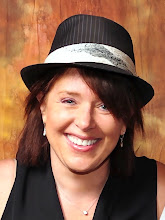
Seattle based Singer/Songwriter, Philip Lindholm is currently using online technologies to affordably create a world-class album on his own.
http://www.myspace.com/singersongwriter
Philip is an ASCAP member and has been a member of eSession since October of 2007 and has been using the site to produce his forthcoming album entitled "The Open Road".
Philip worked with some of our top session musicians and engineers including Kim Carroll on guitars (http://eSession.com/KimCarroll), Eric Bolvin on trumpet (http://eSession.com/EricBolvin) Scott Koziol on Bass (http://www.esession.com/ScottKoziol) and mixing some of the final tracks will be Grammy™ winning engineer, David Thoener (http://www.esession.com/DavidThoener).
While completing his doctorate in Theology at Oxford, Philip has been writing and producing his album for almost 2 years and performs vocals, guitars, piano, harmonica and "anything that creates a frequency" in his Pro Tools home studio. One song includes the subliminal hum of his refrigerator while another has the accidental chime of a grandfather clock at an appropriate moment that somehow fit into the song.
Half of the album was recorded more conventionally at Seattle's London Bridge Studios (Nirvana, Pearl Jam, etc), while the other half was recorded and produced over the internet with the help of eSession. Philip says, “The only way to economically produce an album on your own is to circumvent the hourly rates at a studio whenever possible. We're discovering as the industry evolves, that physical studios have great advantages but also huge limitations. It's a massive production getting everyone together in the studio, setting up gear, getting sounds, taking beer breaks etc. I just don't have time for that anymore. eSession is filling a much needed gap and is geared toward the 21st century musician who is doing everything on their own and working with the strictest of budgets. “
Philip says, “I love giving my tracks to the players and just letting them have creative freedom. I actually prefer working remotely because with eSession, multiple players can be working on any or many songs simultaneously.”
He continues, “The Negotiation System is great because it gets everything out front and avoids the awkwardness of verbally negotiating fees and deadlines. It can be tricky sometimes with these guy's busy schedules, so it’s invaluable to have someone like Marc Rosenberg who can work around the system. He has been infinitely helpful and always available throughout my entire project.”
Marc Rosenberg is eSession’s Director of Operations and is a brilliant musician, technician and one of the most versatile people I have ever known. Not only does he handle the site’s support and development, but also functions as a kind of talent concierge if eMembers need help choosing and contacting specific musicians.
Philip says, “ I’ll always record with a band in the studio because some songs just call for that kind of production. But, other songs beg for one part at a time and for songs like that, eSession is perfect. There’s a breadth of talent and instrumentation available that is unprecedented anywhere on the internet.”
Philip’s plan is to finish his album in the next few months and sell it at local shows while pursuing major distribution and label interest. He says he won't just release the album independently because “an album is worth a hell of a lot more to a record company if you haven't released it yet”.
“The Open Road” is an edgy blend of rock and folk with strong sense of melody and musical and lyrical sophistication. Philip says, “I just tried to stay true to myself and I’m really excited to say that what came out was a sound that I believe will resonate with people.”
Here is an example of a song that Philip created using eSession.com
Thank you Philip!!!